

We are on the road!
America! The land of endless possibilities. The country of the American dream. A place where the culture seems very similar to that of us Europeans. At least, that’s what we thought. But America is also a country of stark contrasts. Now, after two weeks, we’re finally starting to get a sense of the American way of life.
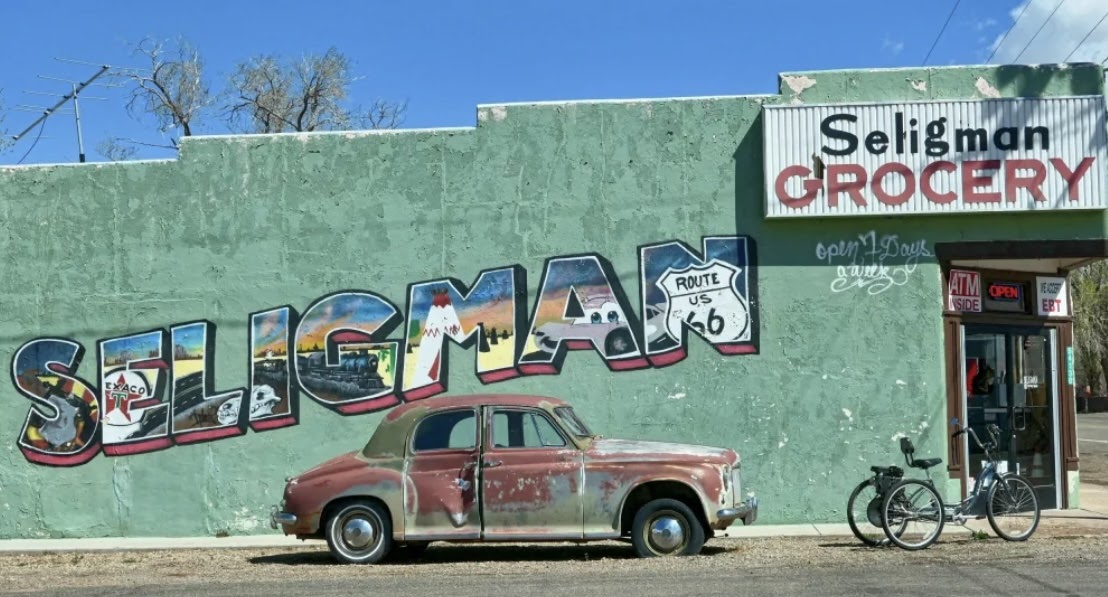
Over the past two weeks, we’ve traveled around two thousand kilometers with our RV through the dry, arid, yet spectacularly beautiful Southwest United States. We started from Los Angeles and made our way through Big Bear Lake to Joshua Tree. Then, via the magical and historic Route 66, we reached the Grand Canyon and then Lake Powell in Arizona. Since yesterday, we’ve been in Zion National Park in Utah.




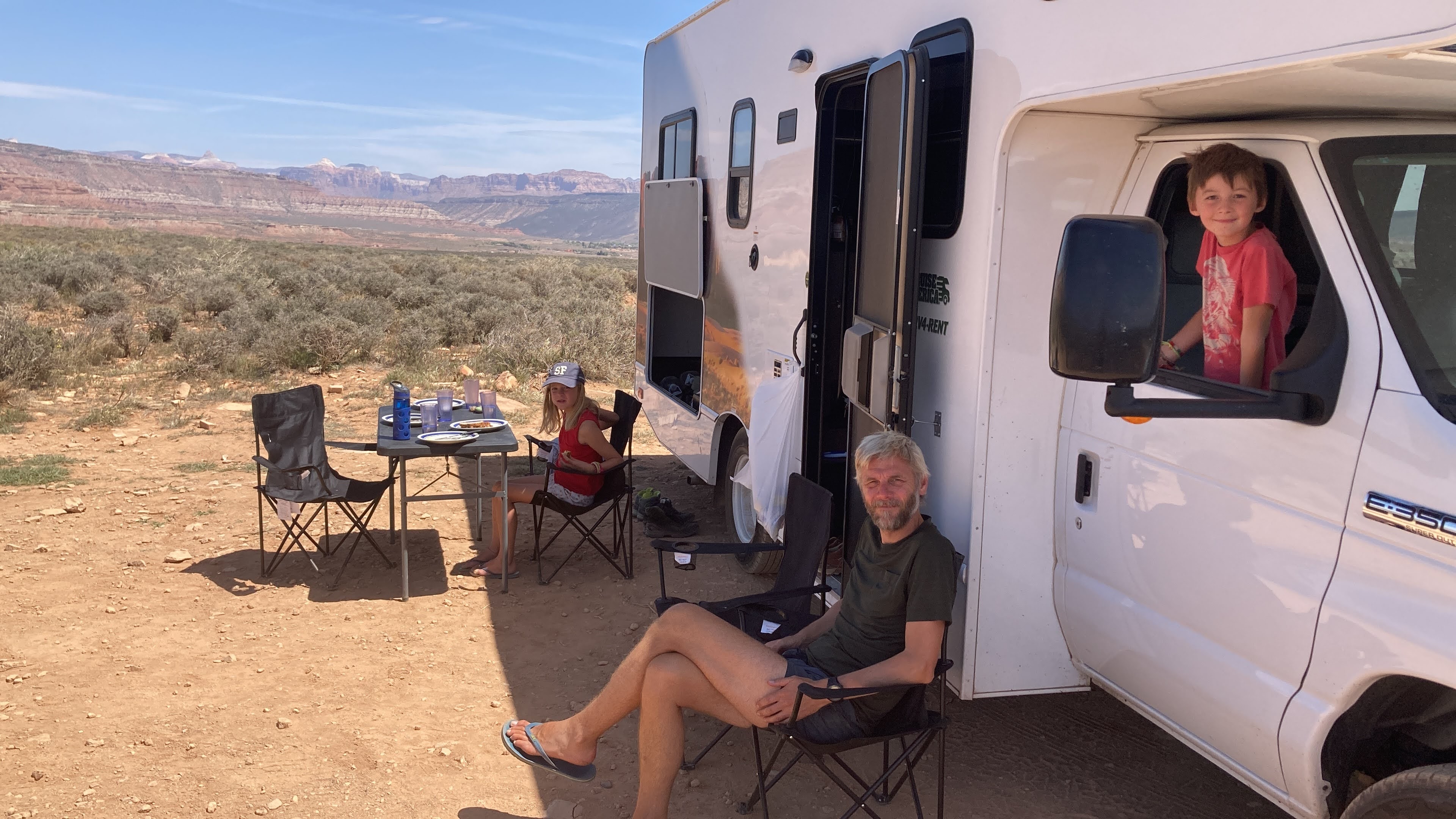
“Can we roast marshmallows tonight?” Arthur asks. In most of the places we visit, we spend the night in natural parks, forest campsites, or on designated camping spots in nature. Vast stretches of public land where you can camp for free, as long as you find a spot. Space is not lacking in America. We gather wood, light a campfire, cook dinner on the barbecue, and enjoy the clear, starry sky.
Our RV is comfortable and spacious, with everything we need: two double beds, a kitchen, a bathroom, a shower (which leaks), a generator to produce electricity, a large water tank, and an even larger gas tank. The myth of cheap gas is quickly dispelled. It’s still cheaper than in Europe, but when you need to fill up, you get a bit of a shock at the register. “Dad, do you have to fill up again?” Arthur wonders. Then he watches the scene at the gas station through the window.
Last week, on Interstate 10 in California, a group of bikers with roaring Harley Davidsons, leather jackets, tattooed arms, and wild beards stopped right next to us as we filled up. I had time to take it all in as the gauge slowly climbed to 35 gallons (about 150 liters). Arthur clung to the window, watching, and received a wink or a thumbs-up from one biker after another. “What a noise!” he said when I started the engine again.
As we drove off, we saw several road nomads standing beside their cars on the edge of the Interstate, in the scorching sun, holding up cardboard signs that read: “NEED GAS.” How is it possible to own a car and drive until the tank is empty without having the money to fill it up?
“Where are you from?” is the second question everyone asks here, right after they ask how you’re doing. Americans love to know where each other comes from. It opens up a whole new range of conversation topics. Oh, Europe. What are you doing here? And after a short and polite conversation, it always ends with: “Ok. Nice meeting you. Have a good one!” Have a good one. What a revealing expression. Not “Have a nice day,” but “Have a good one.” Americans are super social, relaxed, but at the same time, they maintain a certain reserve and don’t want to intrude.
Sometimes, when it comes to finding a place to spend the night, we have no choice but to head to RV parks for “recreational vehicles.” Large gravel areas along the roads with only a few bushes or trees for shelter, where you can spend the night with water and electricity for around forty dollars. These RV parks are filled with oversized motorhomes and fully-equipped touring cars, where affluent retirees spend half the year chasing the sun. These are the lucky ones. But for many Americans, their car or bus has become their only form of shelter.
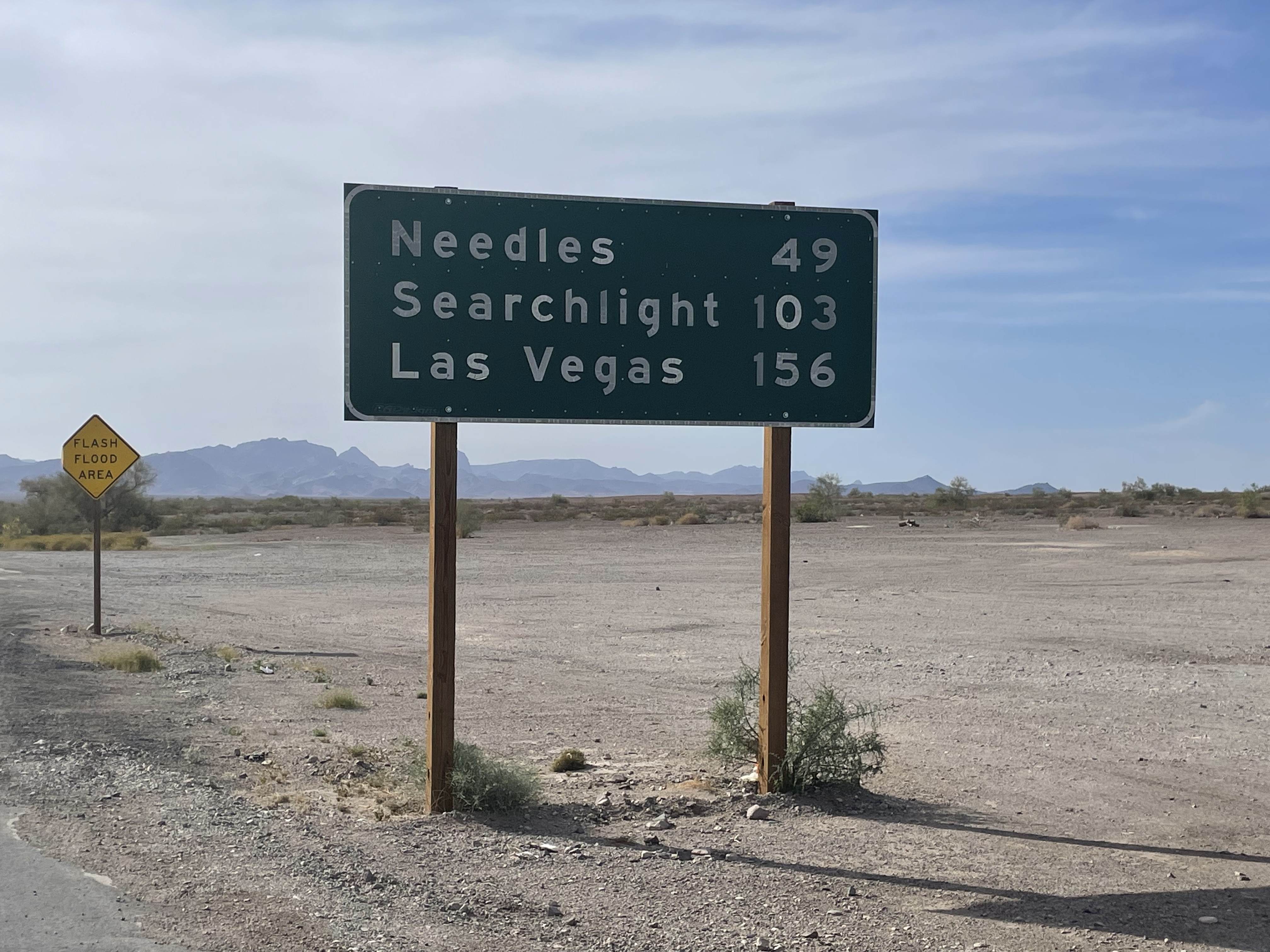
Last week, as we drove from Joshua Tree to Needles and then along Route 66 to Williams, a road steeped in history, we saw abandoned RVs and vans everywhere. The remnants of a nomadic life. We wonder who lived there and what happened. Rusting and with broken windows, these wrecks lie under the sun, on the roadside or in the desert.
Colorado City, a town like many others on the border of Arizona and Utah. It’s been a long time since Main Street was really a main street. A few businesses survive. The houses are in disrepair. No one in sight. We wonder what people here do for a living. Not a blade of grass, just dust swirling everywhere.
We spent the night at “Land Beyond Zion,” Shanti’s mini-campground. A patch of desert about a hectare in size with a distant view of the reddish-brown rock formations of Zion National Park. “We’re in Trump Country,” says the energetic and smiling Shanti, with a hint of irony. Shanti has only had permission to open her campsite for six months and is still in the middle of renovations. Her son Mason runs around the site, happy to finally have two playmates, Anna and Arthur. Elton the dog, a young, shaggy bobtail, runs after them.
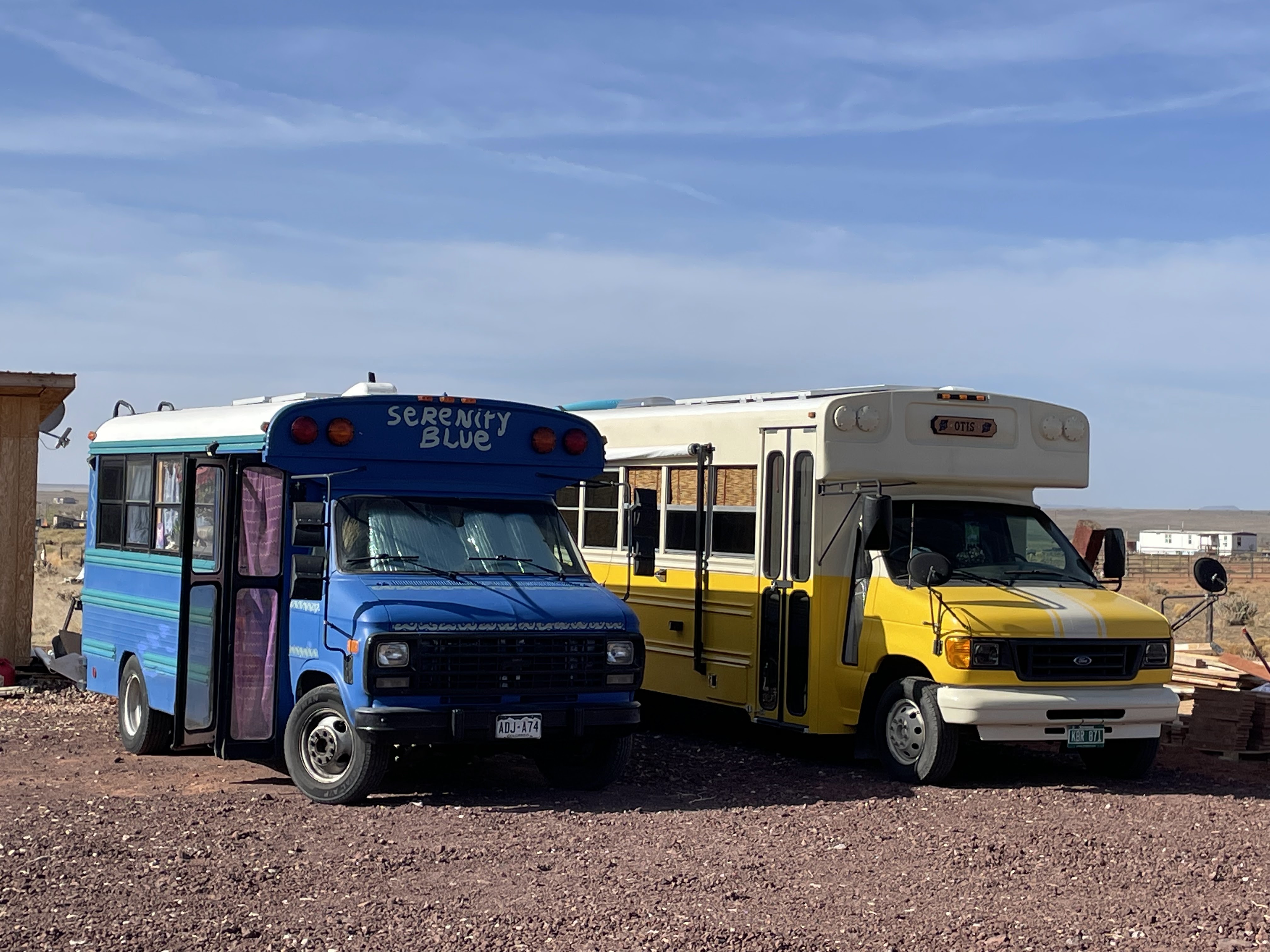
The basic facilities are ready, but other than that, it’s still a cheerful mess. At the back of the site, there are two brightly colored buses. Old school buses, the kind you see a lot in America, but repainted in vivid, hippie colors. Their names, Serenity Blue and Otis, are written in large letters on the front of each bus.



Shanti’s vision is a small-scale, community-oriented campground. And she’s made it work. While Anna, Arthur, and Mason have found the garden hose and are quickly covered head to toe in mud, Shanti explains her project to me, summarizing it in one simple phrase: “We are all in this together!” In short, everyone shares the responsibility of making this place welcoming and pleasant. The outdoor kitchen is the central meeting point, where people come to prepare their meals or grab a cup of coffee. In the evenings, we gather around the campfire to chat, and the next morning, we have breakfast together outside at a large table. Everything is possible, with no obligations.
We meet Marie-Paule and Chelsea, who both arrived a few days ago and don’t know how long they’ll stay. Chelsea is a young woman who lives alone with her dog. She’s originally from San Francisco and works as a freelancer. She still gets gigs from time to time. In the mornings, she opens her laptop and gets to work. Marie-Paule is in her sixties and also lives alone in her bus. She’s from Denver, an artist who makes a living from the mosaics she creates. For both of them, finding affordable housing had become impossible, and they chose to live differently. Otis and Serenity Blue are now their homes.
Marie-Paule, who speaks French, tells us her story. She was born in Brussels, where her mother and sister still live, but she has spent almost her entire life in Colorado. She has four children and five grandchildren, all of whom have their own homes where she can visit and stay whenever she likes. But she lives in her bus. She meets people, travels through the national parks of the USA, and rediscovers this vast country. She admits she would find it hard to live in a house again and loves this nomadic lifestyle. She shares her tips on where to stop in towns, the places she’s discovered on her wanderings, and websites to find women-friendly campgrounds. That’s how she discovered Shanti’s mini-campground.
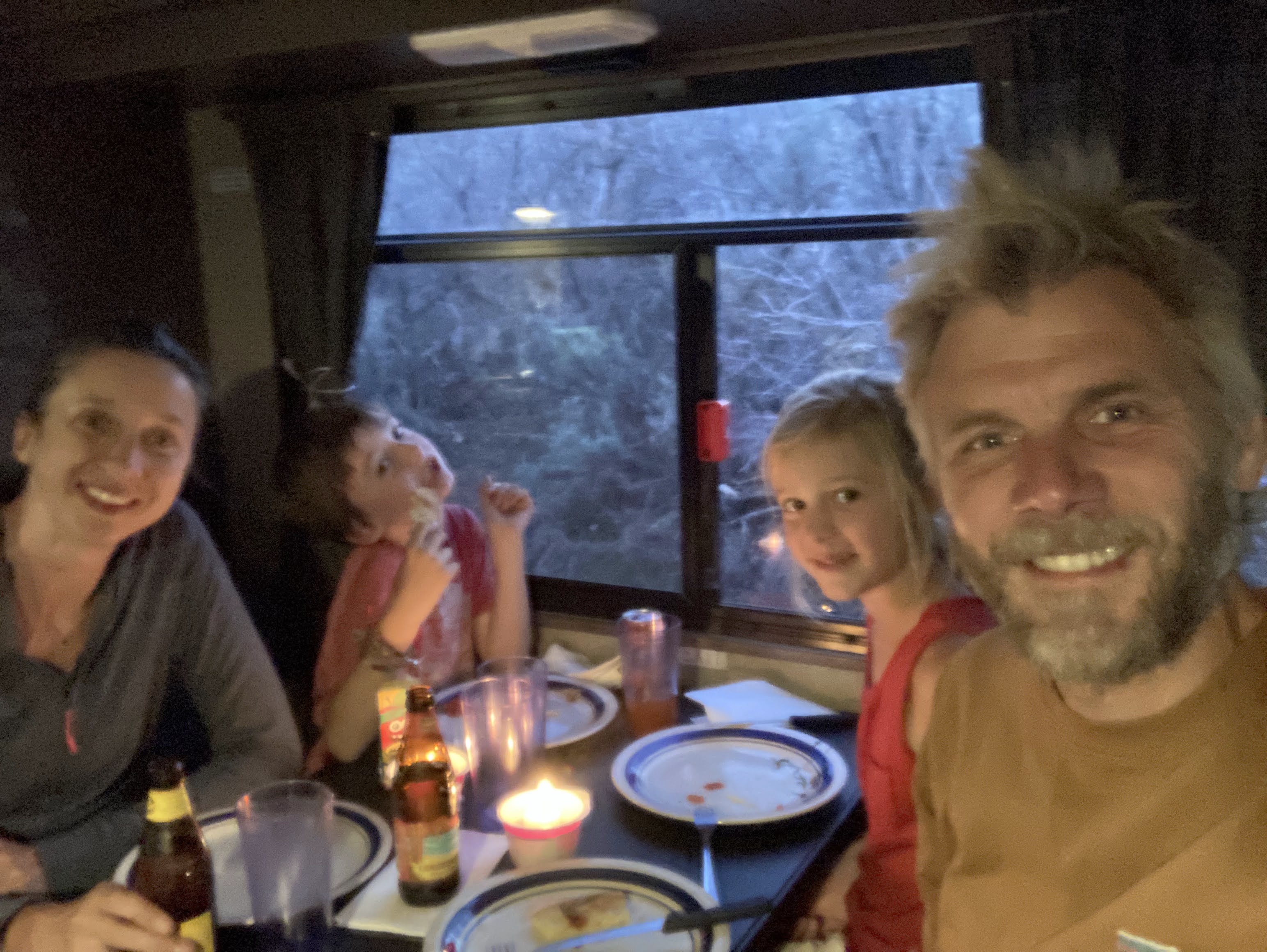

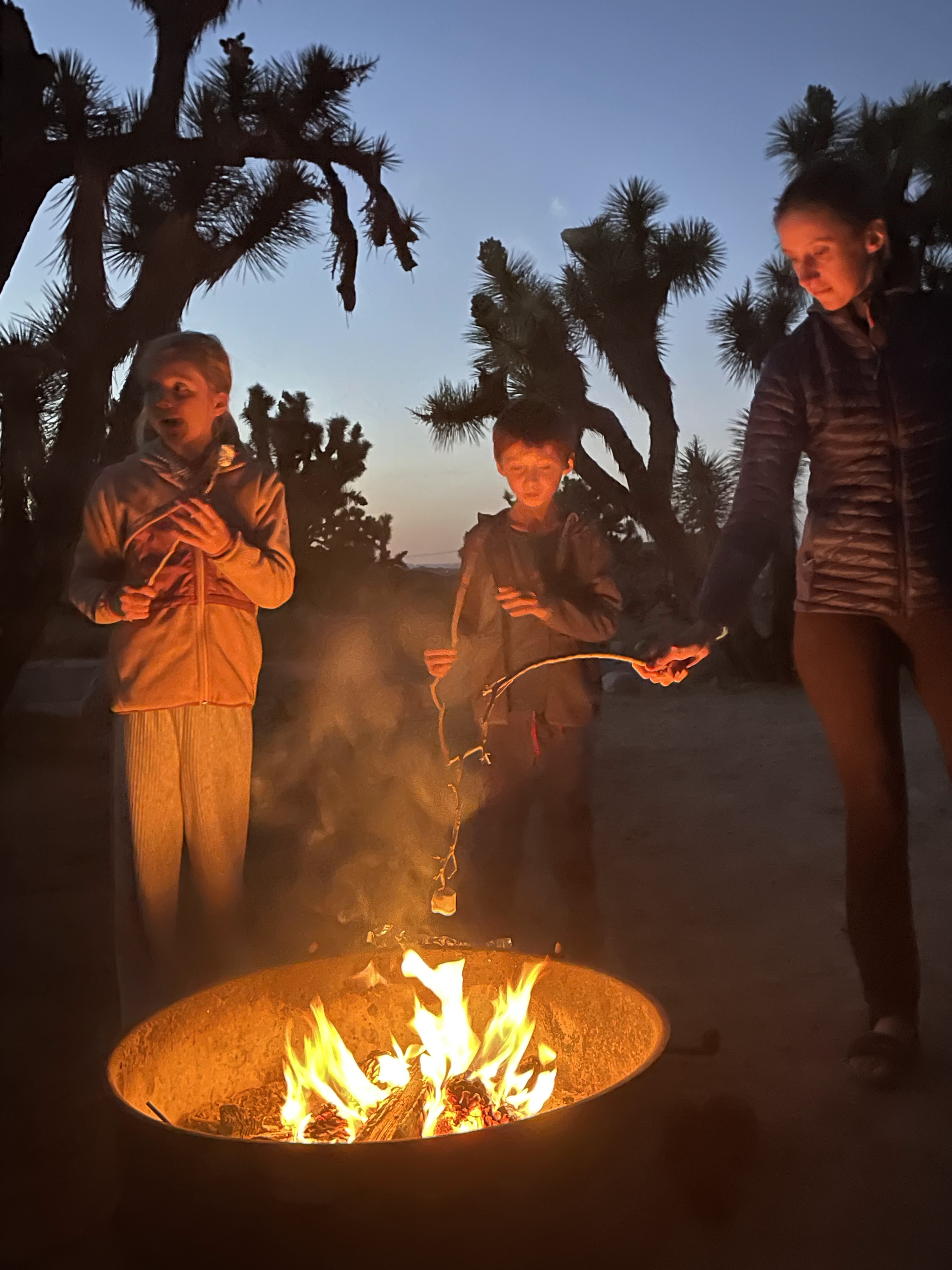
Americans, who are so attached to the idea of belonging to a community, have created a new community of nomads, whether by choice or by necessity. They have their websites, exchange tips on where to take a shower or find free spots in nature. There are the artists, the souls searching for space, the affluent retirees chasing the sun, those who have nothing left but their cars, and travelers like us who dream of wide open spaces.
For the next two months, we belong to this community of nomads. Each day brings new encounters and conversations, and above all, a lot of human warmth.
We are all in this together! Because on the road, you’re rarely alone.
 Globetrotterdammers