

Slowly, our camper climbs the slope. Each time it gets a bit steeper, the engine shifts down and growls. The sun is just starting to rise. Snow is falling, and everything is covered in a thick layer of powder on the mountain slopes. Just before the summit, we find ourselves in a snowstorm, and by the time we reach the top, visibility is down to less than 50 meters. Fortunately, the road has been cleared because we don’t have snow chains with us.
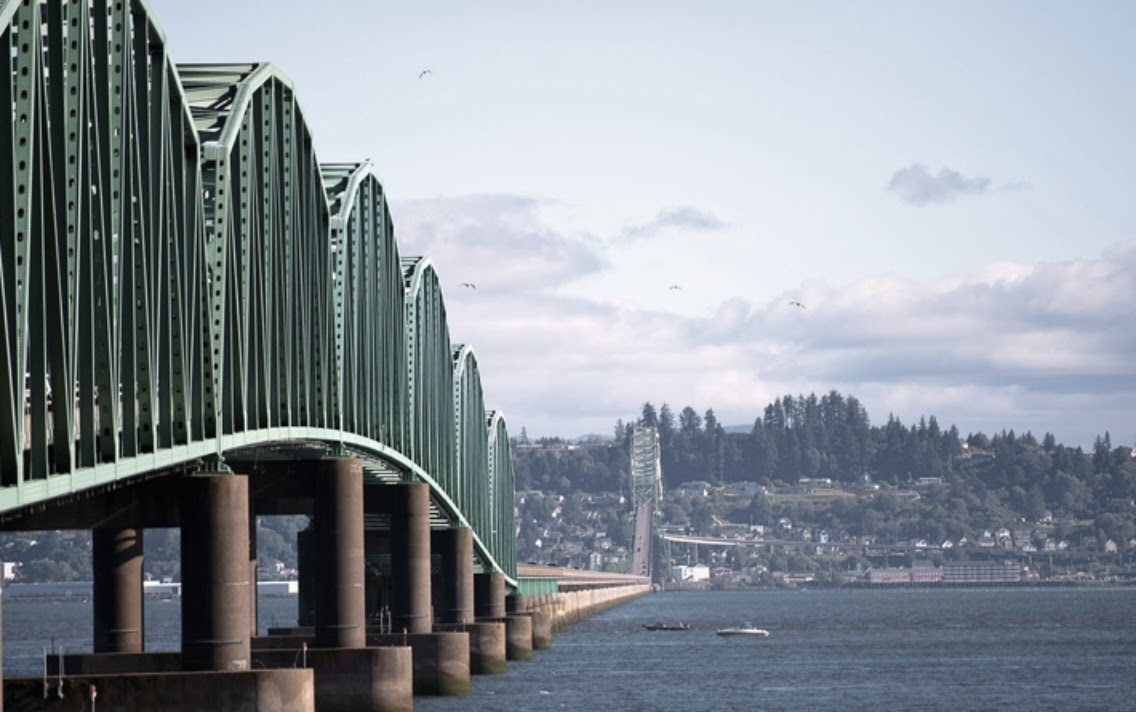
The journey to the West Coast is a long one. From Helena, the capital of Montana, it’s over 1,000 kilometers to Astoria, a town on the Pacific Ocean at the border of Oregon and Washington. We have to cross two mountain ranges, first the Rockies and then the Cascades. That morning, we got up at 5 a.m. to set off. The kids are comfortably settled in the back, still asleep, while we drive with a thermos of hot coffee for the road.
The camper has done its job without complaint. It’s covered 4,500 miles (over 7,000 kilometers) in 6 weeks, through 12 national parks and monuments, plus state parks, Monument Valley, and Lake Powell. It has seen heat, cold, rain, strong winds, sandstorms, and even snow. Finally, we reach the snowy peak and descend into the valley. We drive for hours through vast forests and rolling steppes, a long ribbon of winding roads with no end in sight, giving me a chance to reflect on the moments, faces, smiles, and all the memories we’ve gathered over the past few months.
Like a film reel, I replay the faces of people we’ve met on this journey. Abdullah, Wafa, Abed, Benny, Toot, Nary, and all those who left an impression on us, even the strangers whose names we’ve forgotten but whose memory lingers. I revisit those magical places my mind can always return to. The jumbo rocks of Joshua Tree, the fine sand of Monument Valley, the arches, the views, the red landscapes, the bison, the beaches of Cambodia and Sri Lanka, the deserts of Oman, Jordan, and Utah. Everything blends and arranges itself in my head, and I finally understand why I’m on this journey. We’ve become rich in images, encounters, sensations. We can always dive back into this endless realm of experiences. And there are also the things that have struck us, what we’ve learned about ourselves and others.
Spokane, 1 p.m., lunchtime. We stop in Washington’s second-largest city for a meal. It’s Saturday, and downtown is deserted. No one is working in the city offices, and the few people we see don’t make us want to stay long. Many homeless people and troubled individuals are wandering around. A few hipsters are eating upscale tacos in a trendy café. After our meal, we move on. We’ve heard that Northern Oregon makes good wine—it’s time to find out for ourselves.
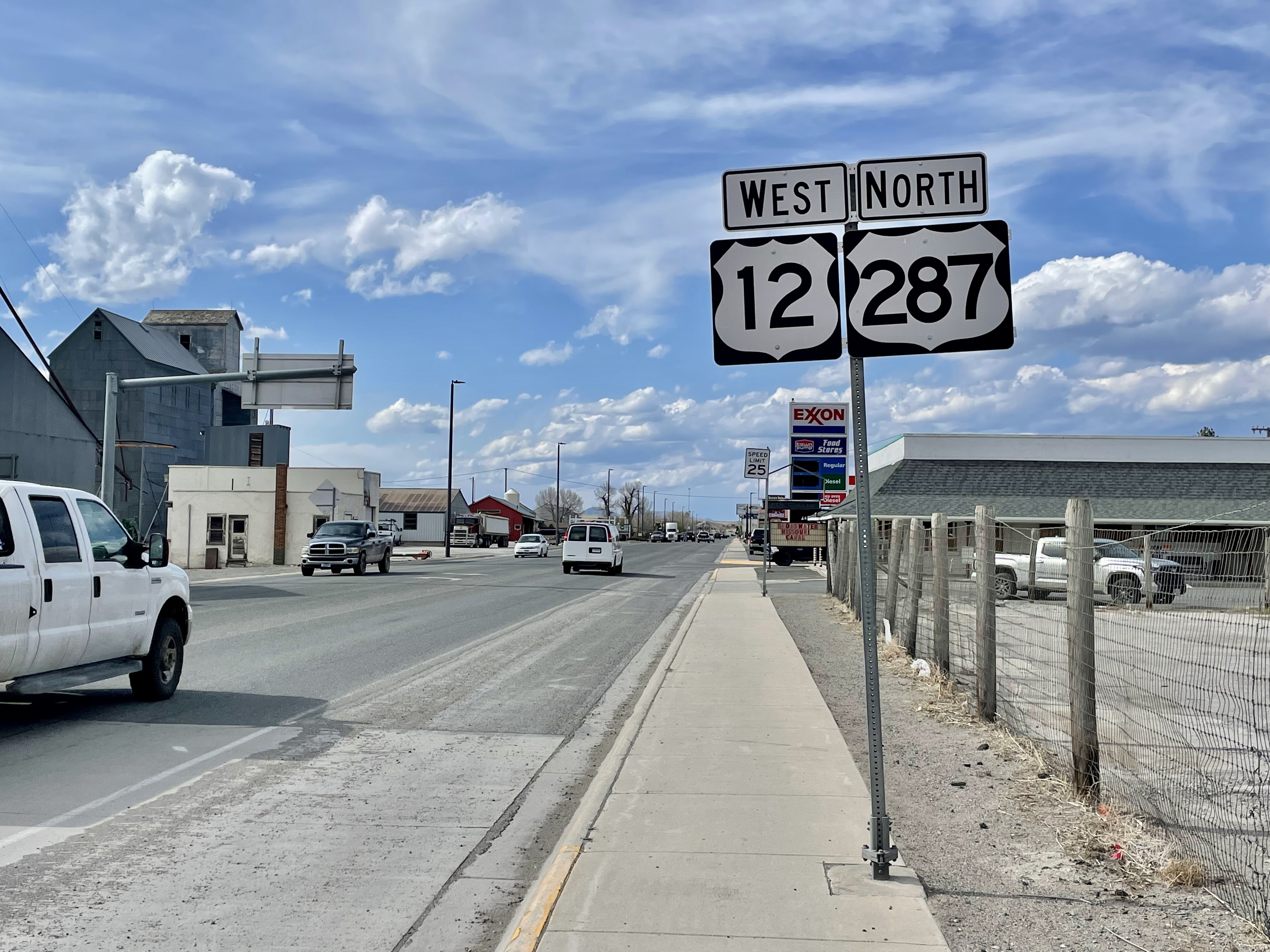
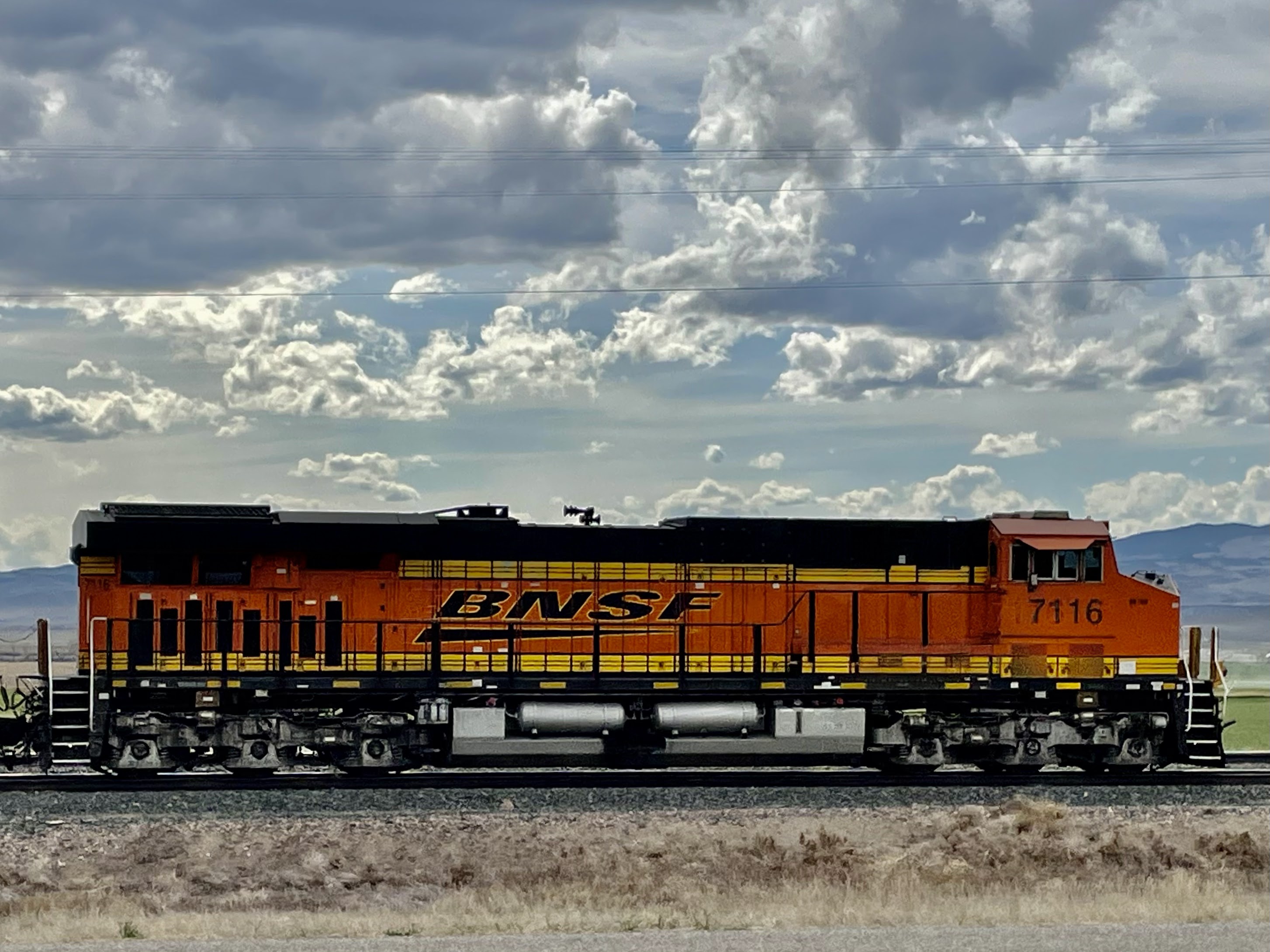


The landscape between the Rockies and the Cascades is empty. For hours and hours, we see nothing but fields of wheat or grass. No villages, no trees, no signs of life. Just the Interstate stretching on. The wind is fierce today, sweeping across these vast open spaces with nothing to slow it down. Driving is less pleasant in this wind, so we opt for smaller roads where we can take it slower.
Three hours further west, at the foothills of the Southern Cascades, the scenery begins to change. We pass through apple orchards, vineyards, and, most strikingly, field after field of hops climbing up tall wooden poles. It turns out Washington produces over 90% of the world’s hops. No wonder beer is so popular here.
We didn’t have a specific plan for where to stop that night, but after a few detours, we found ourselves south of Mount Rainier at a campsite called Elk Ridge. Tim, wearing a cowboy hat, greeted us with a big smile. This campsite seemed to be his playground. That evening, he set up popcorn and a movie (Ratatouille) for the kids in the barn, while the adults gathered around the enormous bonfire he’d built. We met Trevor and Brittany, Mickael, and others, all of whom were curious about how we ended up in this magical, unexpected place. They had never left the state and were eager to hear our story.
Finally, it was time to sleep and rest. It had been a long drive. The next day, we would be off to explore more landscapes.
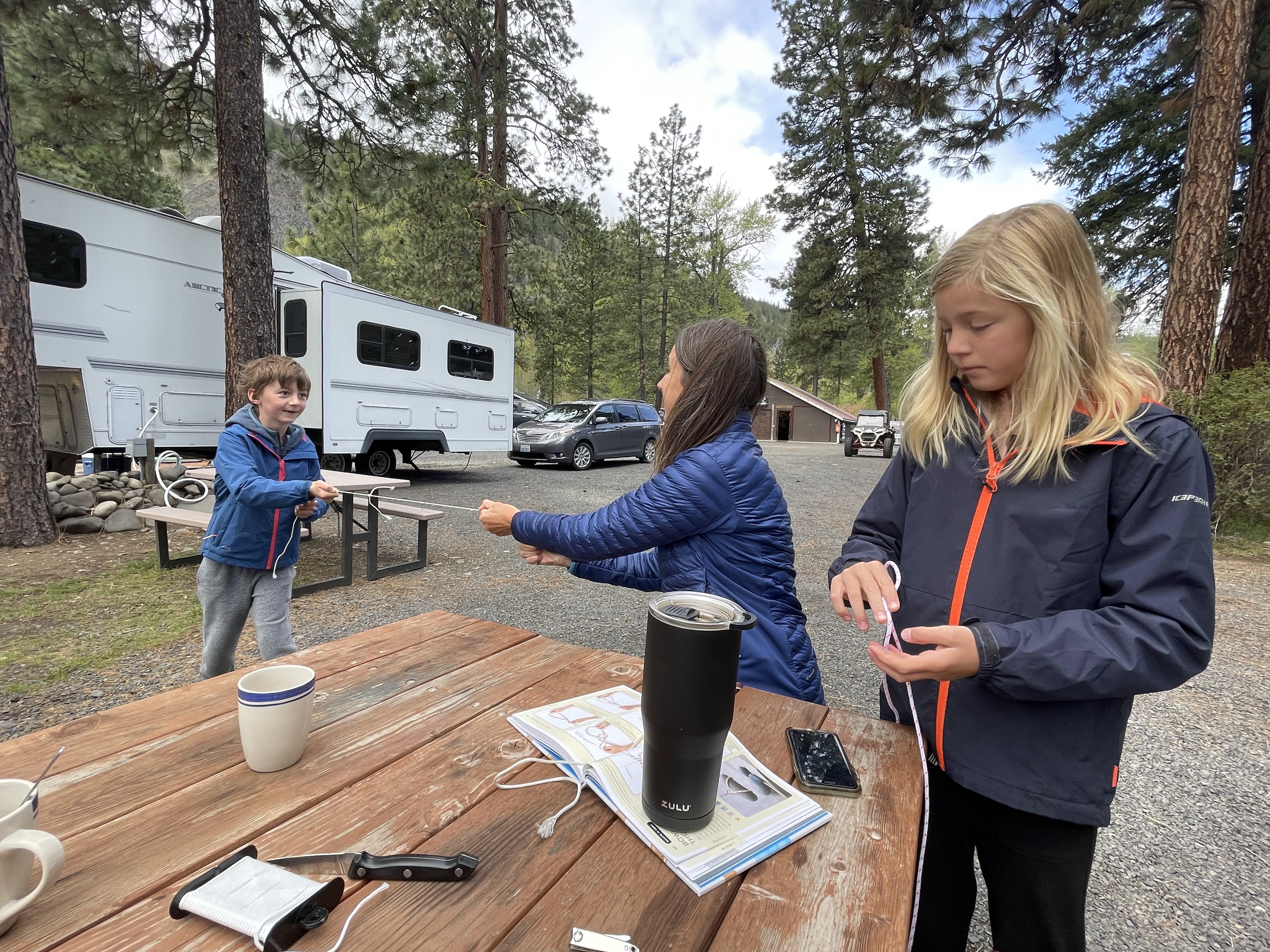
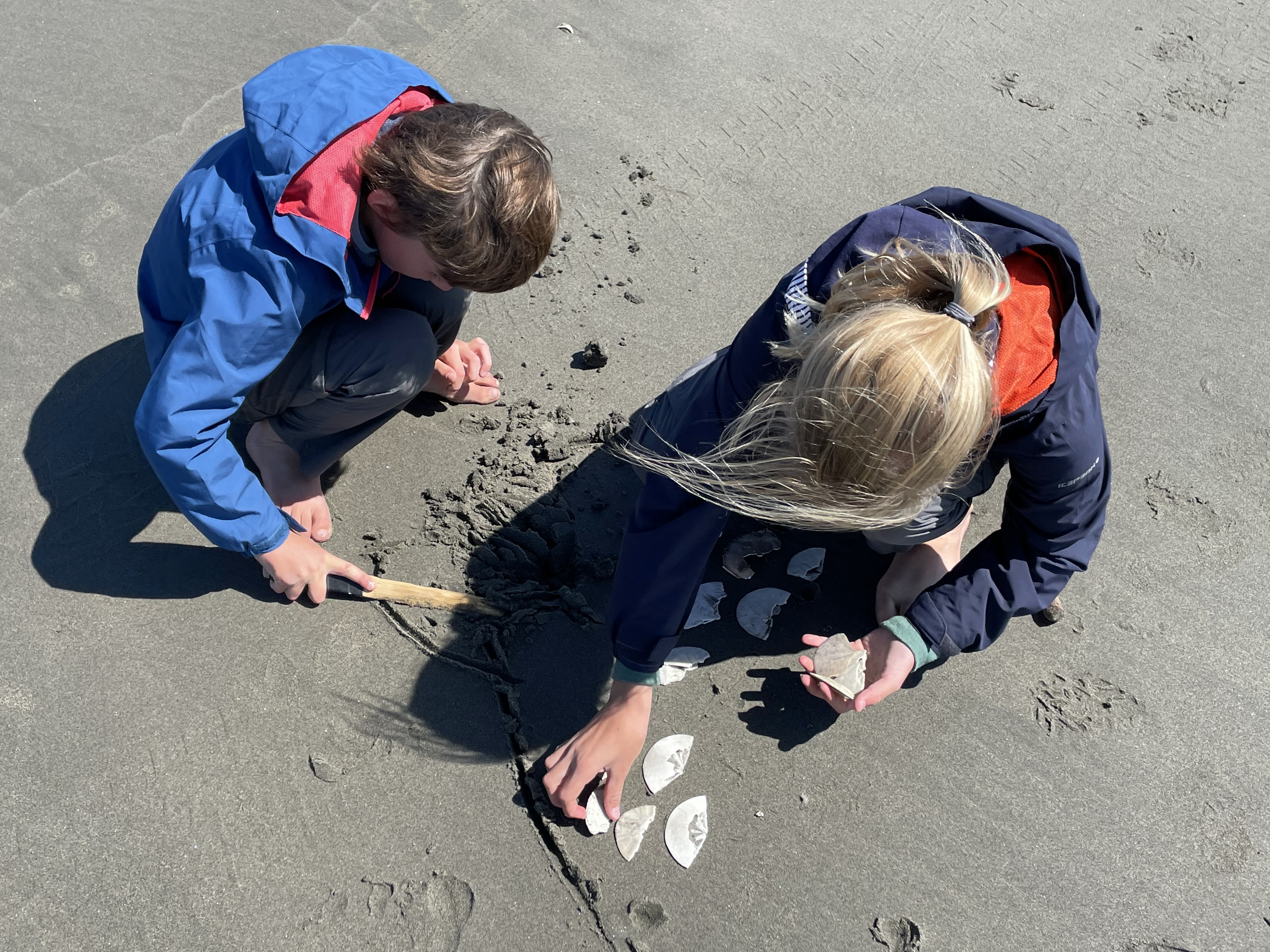
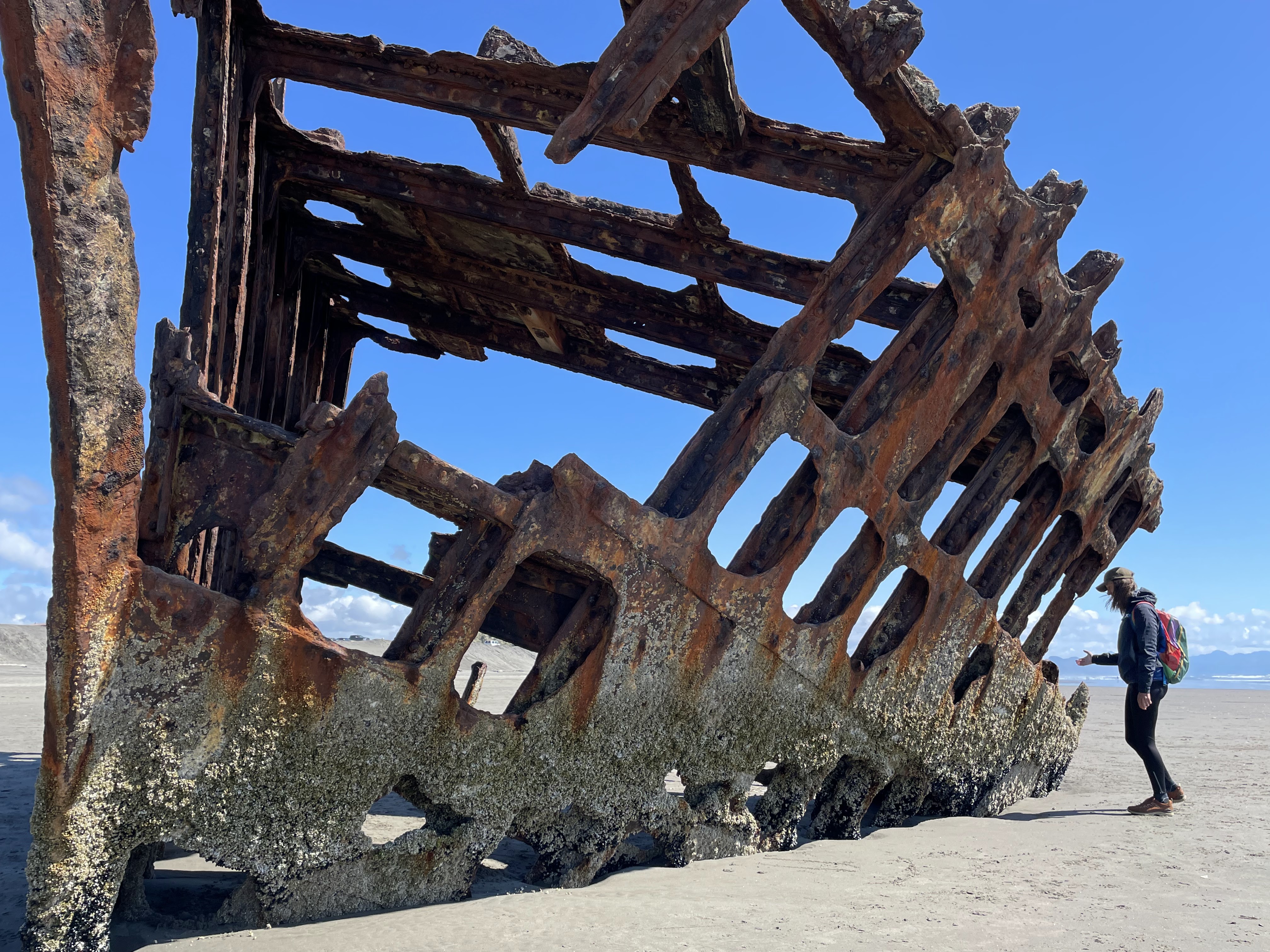
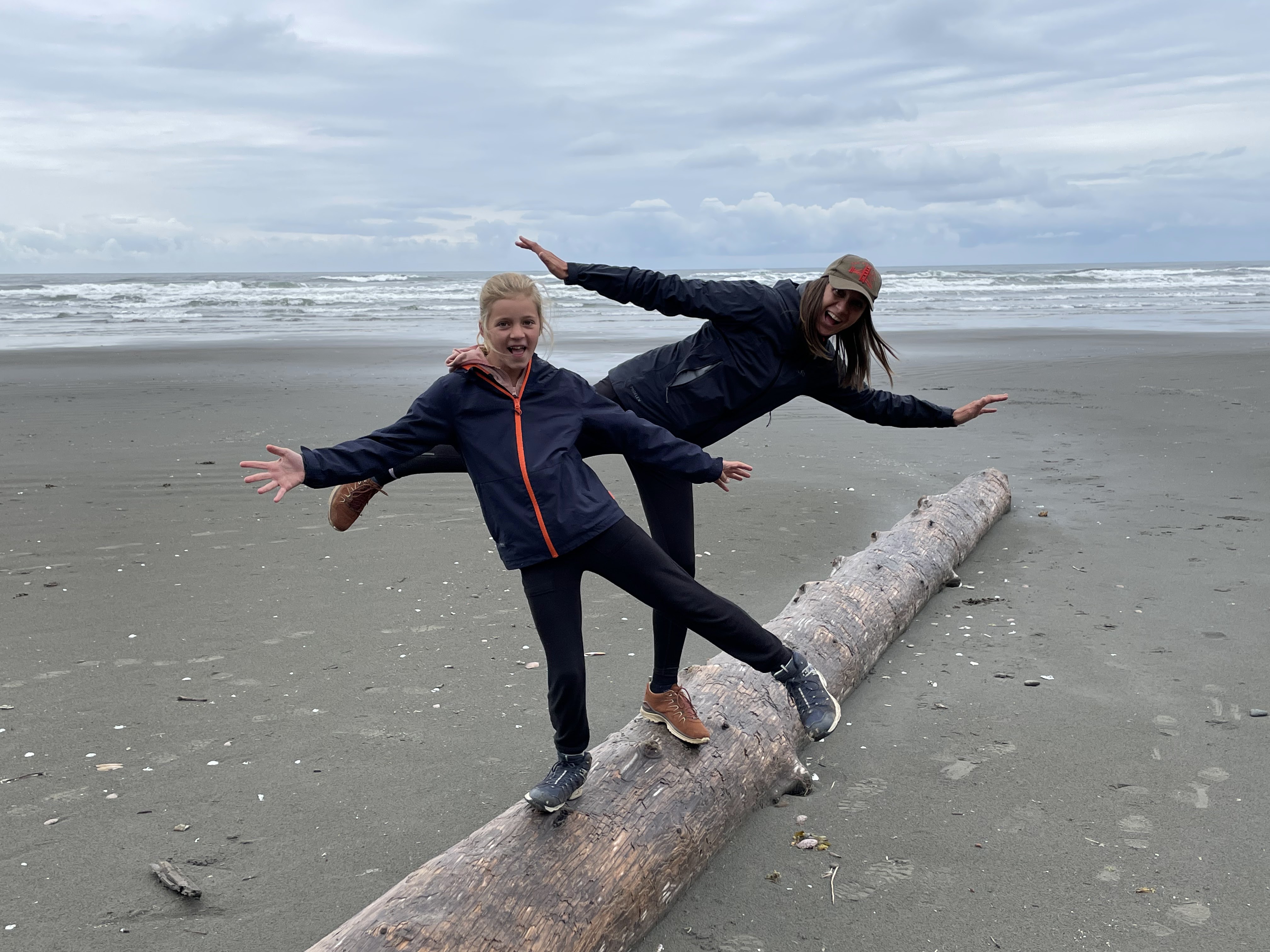
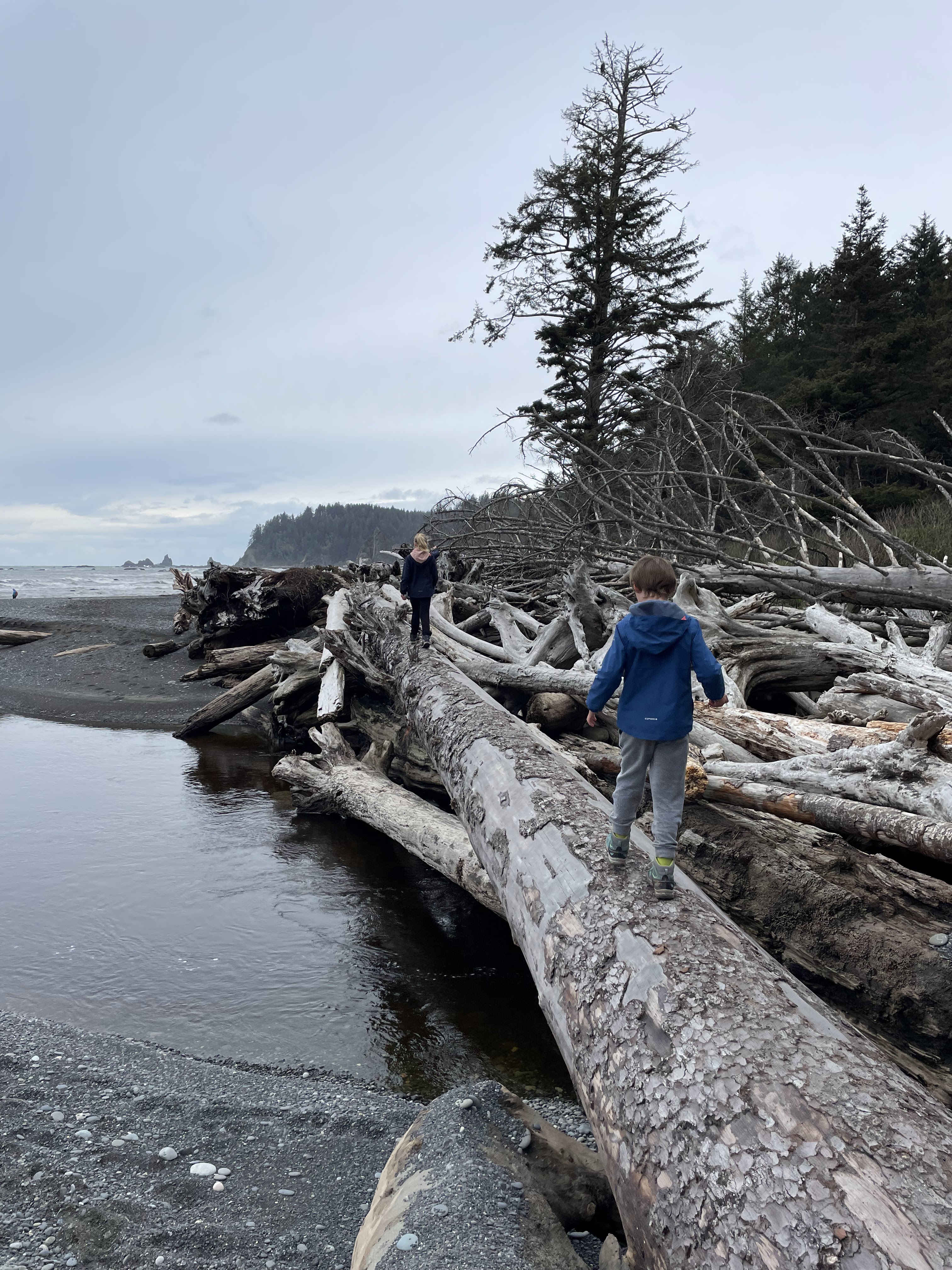
After five weeks exploring California, Arizona, Utah, and Wyoming, our plan was to spend the final week out west on the stunning coasts of Oregon and Washington. From Cannon Beach and Astoria, we traveled up the coast, passing through towns with delightful names: Long Beach, South Bend, Westport, and Aberdeen (incidentally, the birthplace of Kurt Cobain and Nirvana), Ocean City, Queets, and La Push. Sometimes we had sunshine, but often it was rainy. They say it rains 300 days a year in Seattle, the capital of Washington State. Jurgen was both puzzled and frustrated by the rain and gray skies. “It’s over 30 degrees in New York! And it’s at the same latitude!” he said, annoyed. Even though the kids enjoyed themselves and didn’t mind the rain, and I was indifferent to it, for him it was harder to accept. We’ve been a bit spoiled, escaping the European winter for the tropics, and we were hoping to avoid rain until next autumn. But we don’t always get what we want. Thankfully, the sea breeze quickly chased the clouds away, and the sun returned.
Bright spells allowed us to explore the long stretches of white—and sometimes black—sand beaches that line the North Pacific Ocean. Here, the temperate rainforest meets the sea, and slowly, the trees are swallowed by the waves. The beaches are lined with chaotic masses of giant tree trunks, bleached by the sea and wind. Agates, stones in every shade of green, red, and white, are scattered across the gray sand like precious gems spilled from a pirate’s chest and washed ashore. We gathered handfuls of stones, pieces of waterlogged driftwood, and sand dollars (remains of small crustaceans that are unknown in Europe) as we made our way to the famous Hole in the Wall, a natural arch carved into a sandstone cliff by the relentless force of the sea and wind.
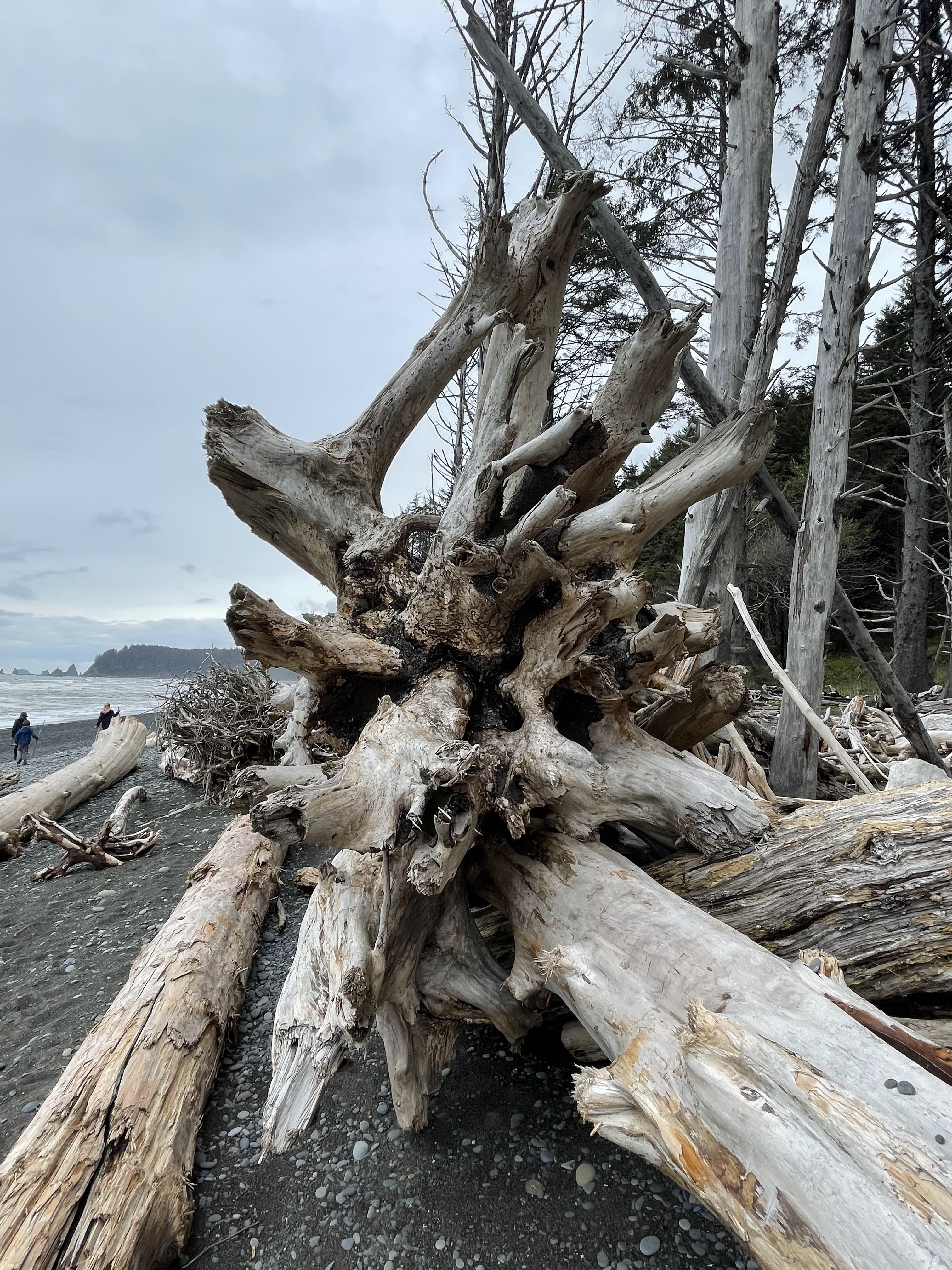
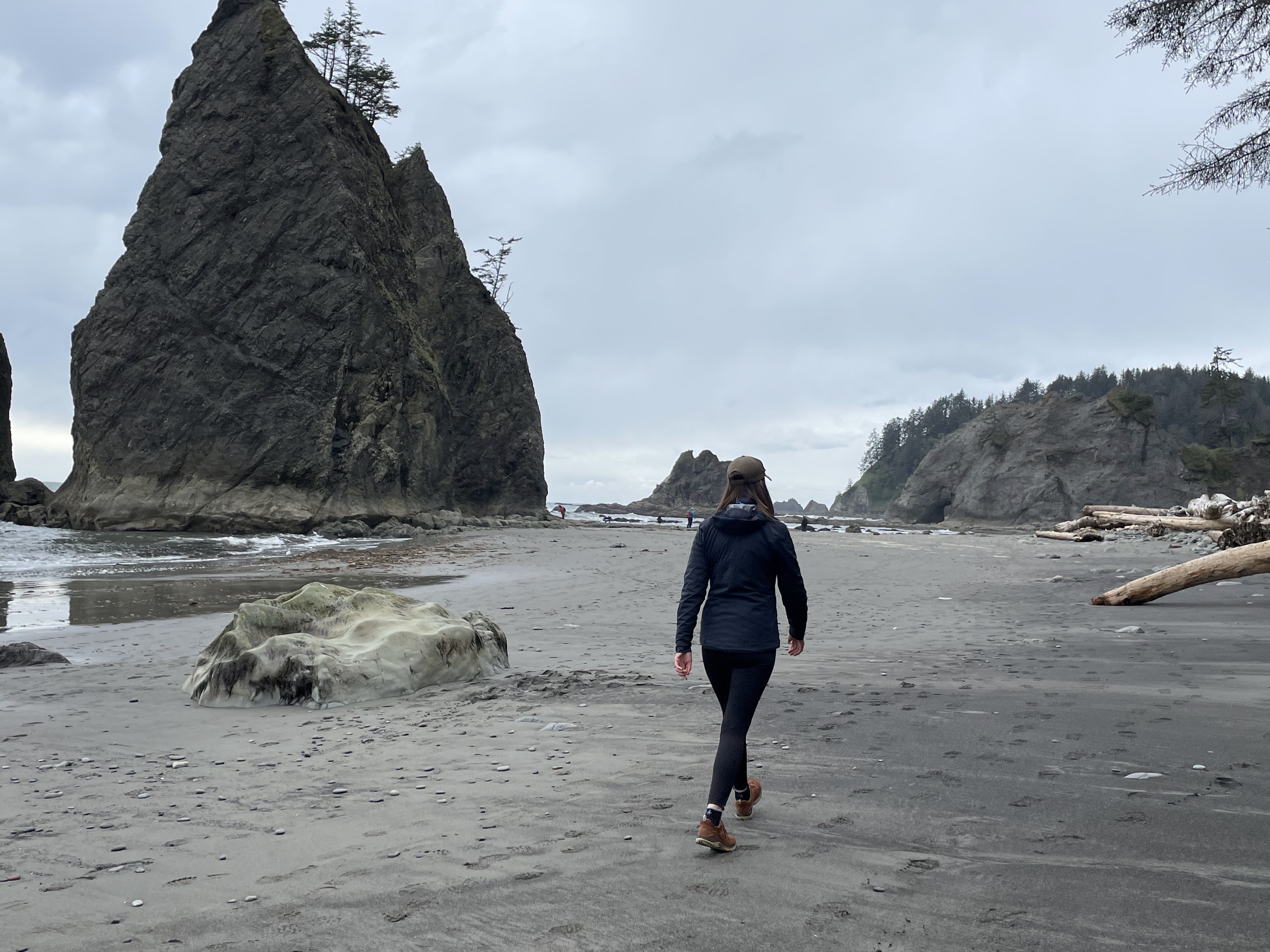

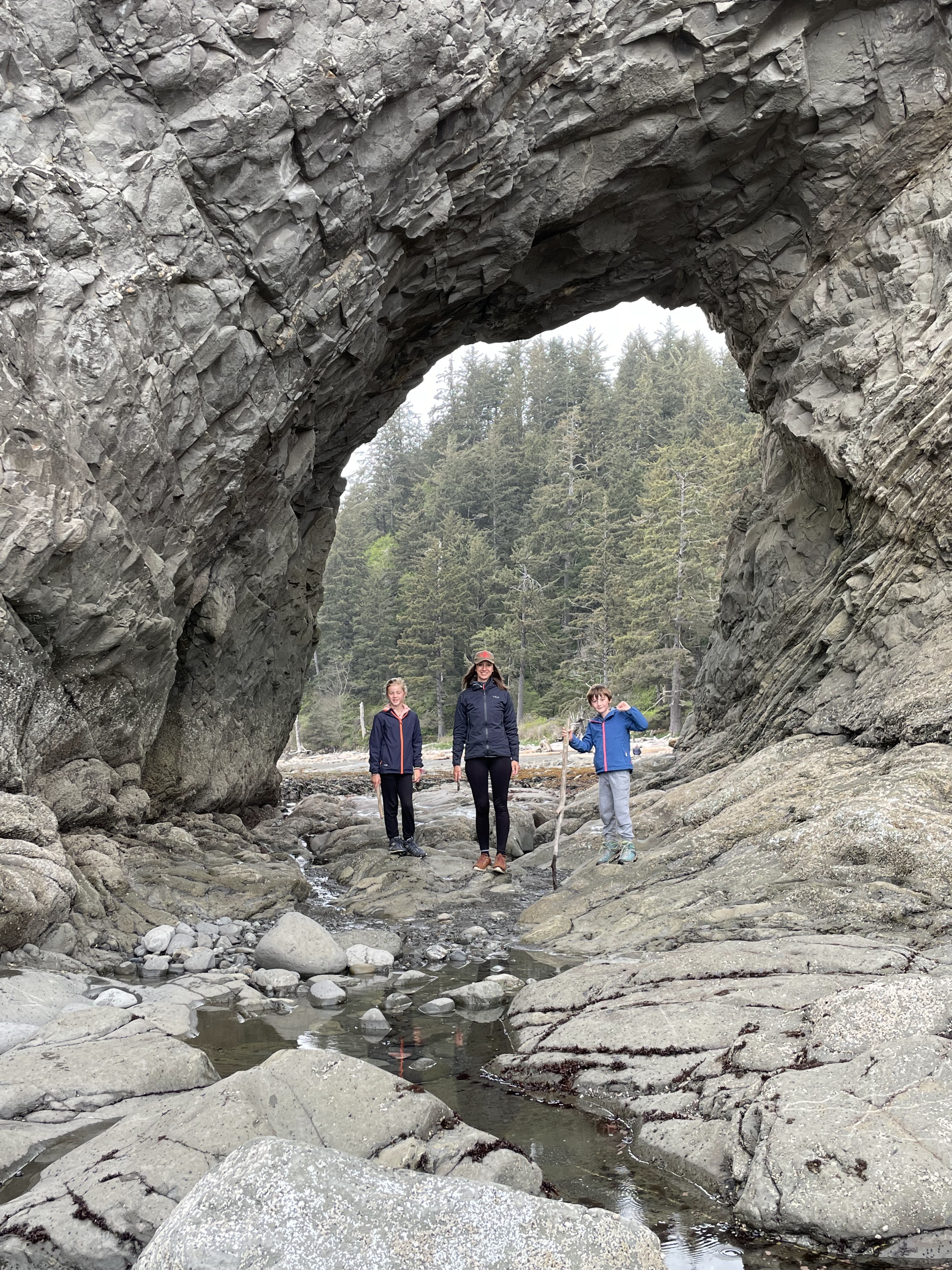
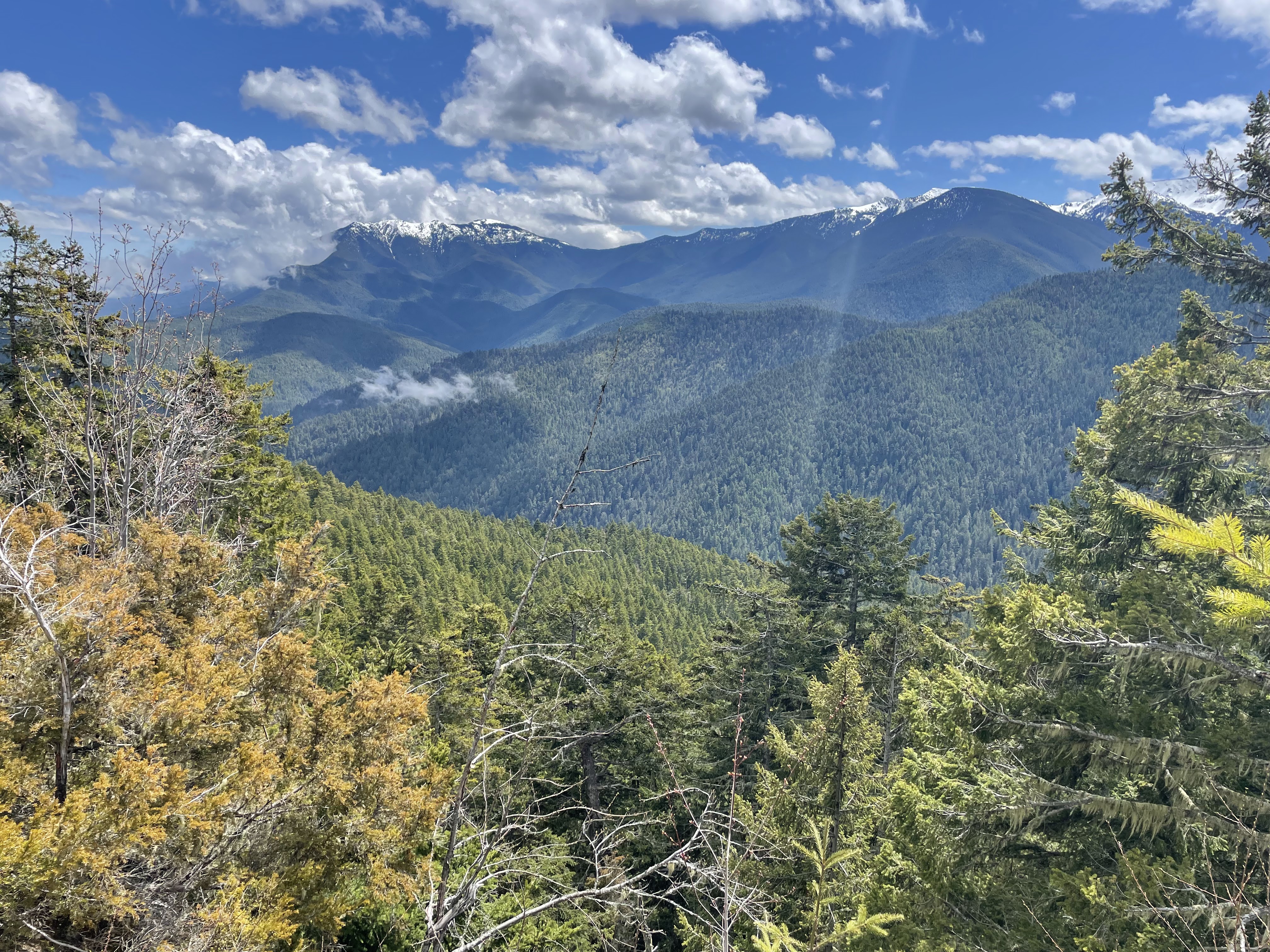
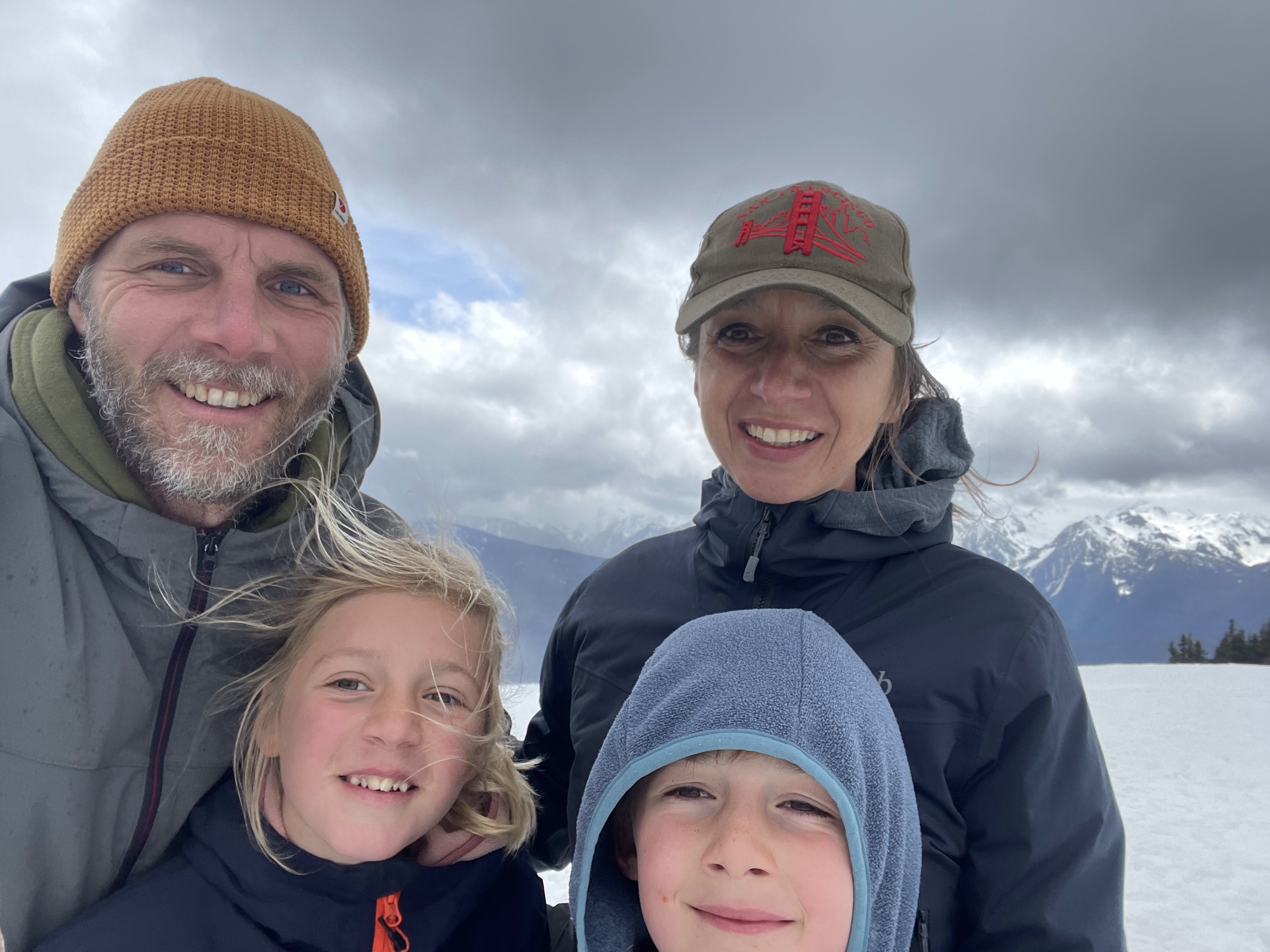
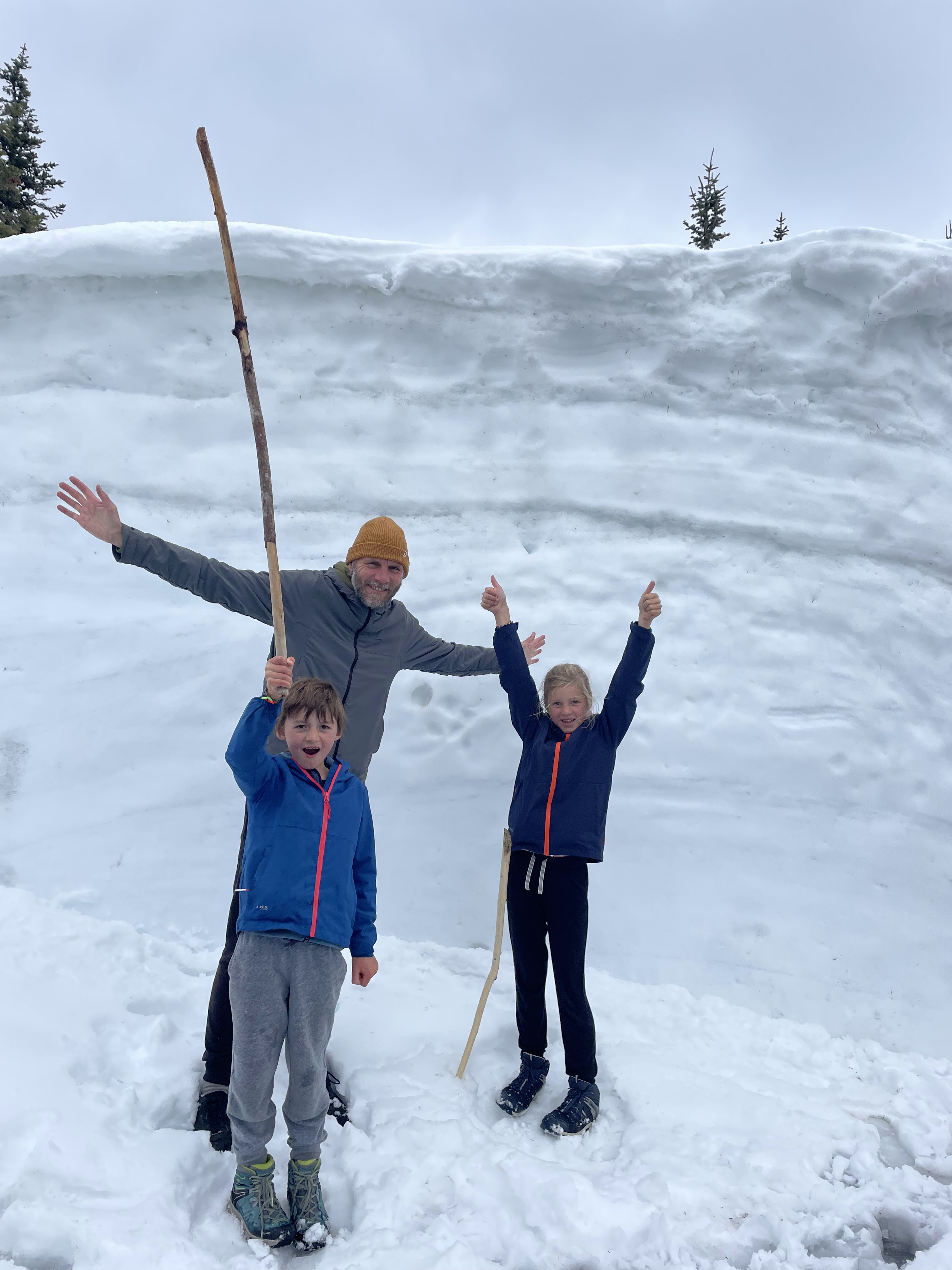

Olympia National Park is our final national park before we fly east. In just one day, this park treated us to giant cedar forests draped in vines and moss, crystal-clear lakes surrounded by mountains, wild beaches filled with flocks of birds, and finally, the snow-capped peaks of Hurricane Ridge. No other park has shown us such diversity. The kids were amazed to go from a rainforest in the morning, to snowball fights on the mountaintops, and then end the day with a sunny beach walk.
We eventually arrived at Port Townsend, on the peninsula with the famous name of Quimper, where we took the ferry back to Seattle. This city marks our last stop on the West Coast.
Since yesterday, we’ve been in Seattle. In two days, we’ll be flying east. It’s time to empty the camper, pack up our bags, and head towards the east coast. We’re slowly getting closer to Europe. Our bags feel fuller than ever, just like our memories, and they’re becoming hard to close. We’ll have to leave behind the stones and driftwood collected from beaches and hikes, the baseball bat and balls that two people gave to the kids on the beach, and the soccer ball that was punctured by Chelsea’s dog, Elton.
But we’re bringing back so many precious memories that we’ll carry with us forever.
 Globetrotterdammers